Bonded & Insured Serving Greater Phoenix (480) 420-7391
Novak Painting Group
Free Estimate
Wood Varnishing · Phoenix, AZ

Wood varnishing in Phoenix, grain protected, not painted over.

A west-facing front door that's gone dull and checked, trim and built-ins you want to keep natural, a piece of furniture worth saving. We prep it, sand it, and lay down a durable clear coat built for Arizona sun, so the wood grain reads rich instead of baked out.

  • Clear-coat finishing for doors, trim, built-ins, and furniture, owner on the job
  • Prep, sand, and varnish handled as one job, built for desert UV
  • Bonded and insured, locally owned across Greater Phoenix
Wood varnishing in Phoenix,
Start your project

BONDED & INSURED · SERVING GREATER PHOENIX

Interior Painting Exterior Painting Cabinet Refinishing Commercial Painting Stucco Repair Color Consultation Bonded & Insured Serving Greater Phoenix
What we clear-coat

Wood varnishing in Phoenix for doors, trim, built-ins, and furniture

Varnishing isn't one job, it's a handful of specific surfaces people want kept natural instead of painted. Here's where the call usually comes from across the Valley, and what changes on each one.
01

Front door refinishing

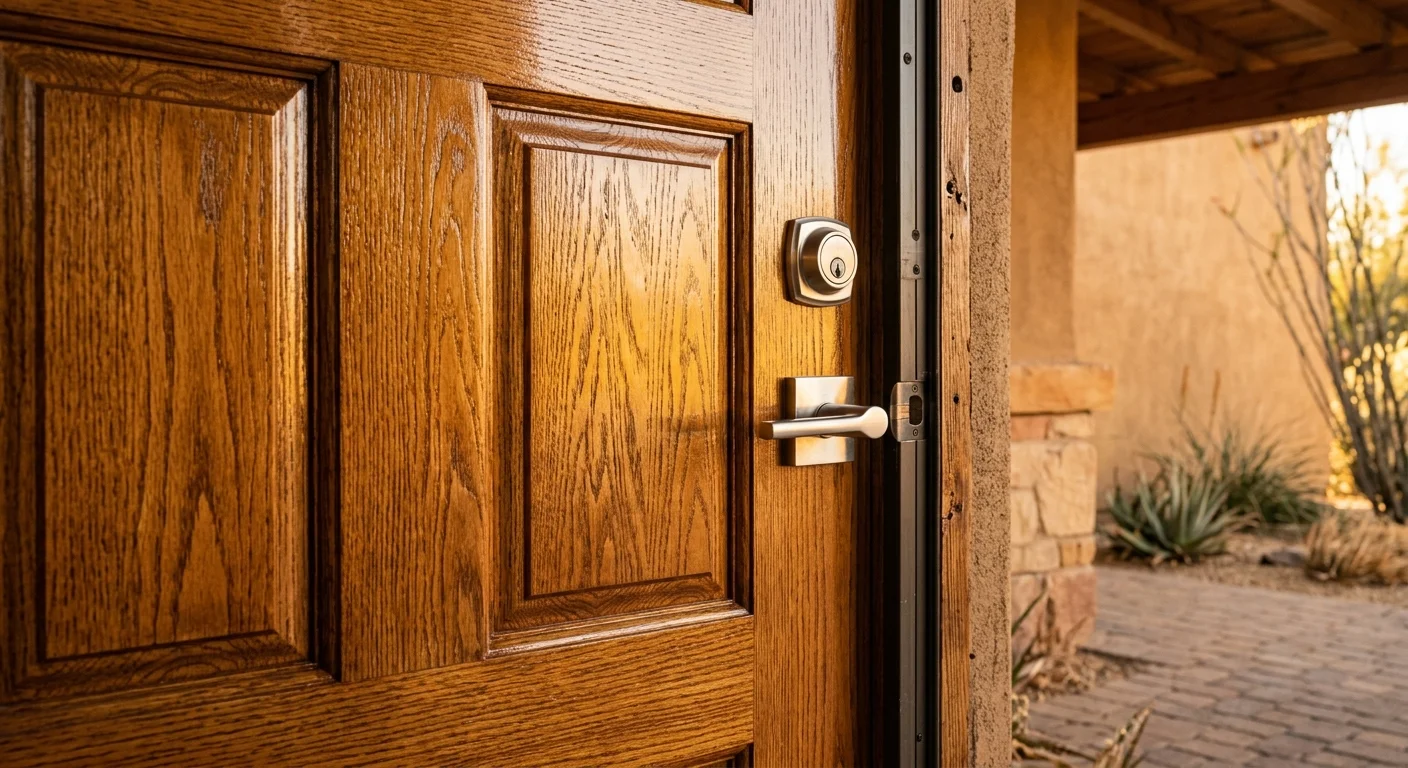
A solid wood or stain-grade front door is the piece we're asked about most, and it's the one the desert punishes hardest. A west- or south-facing door takes direct afternoon sun until the old finish checks, clouds over, and the grain starts to gray. We strip the failed finish, sand it back, and clear-coat it so the door reads like wood again and the finish actually stands up to the exposure it lives in.
02

Interior trim and built-ins

Stain-grade baseboards, door casings, crown, mantels, and built-in shelving and cabinetry are worth keeping natural when the wood is good. We clear-coat trim and built-ins so the grain shows, matching the sheen across a run so a repaired section doesn't stand out. This is the work people want when a repaint would bury wood that's better left visible.
03

Furniture and smaller pieces

Tables, dressers, shelving, and other solid-wood furniture are often cheaper and better to refinish than replace. We sand off the tired finish, address the surface, and lay a fresh clear coat so the piece looks cared for instead of worn. We'll tell you up front when a piece is sound enough to be worth it and when it isn't.
04

High-traffic surfaces that take a beating

Handrails, banisters, and entry woodwork get touched, bumped, and sun-hit all day, and a clear coat is what keeps them from wearing through to bare wood. A durable varnish adds a protective layer that takes the daily beating so the wood underneath doesn't, which is exactly where a clear finish earns its keep in a busy home.

SELECTED WORK

Four spaces.
One consistent standard.

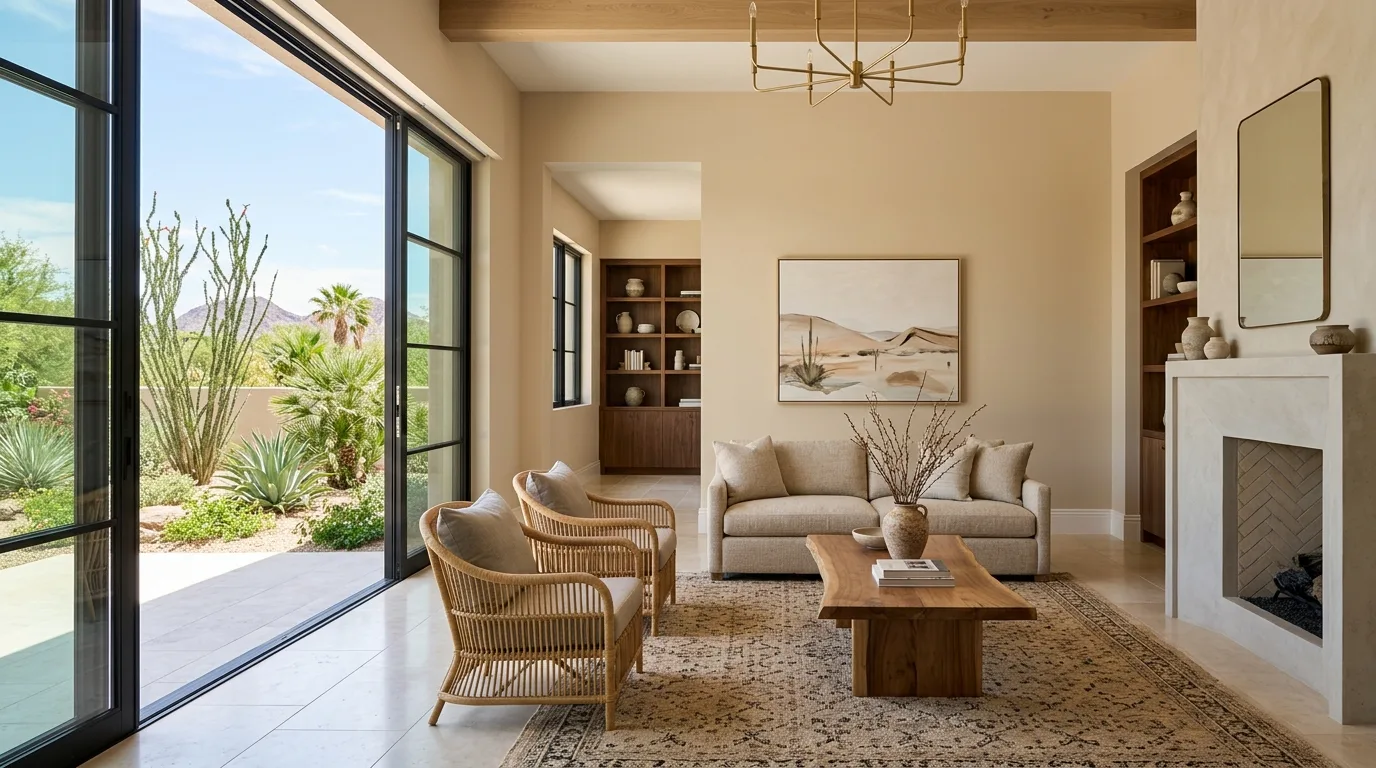
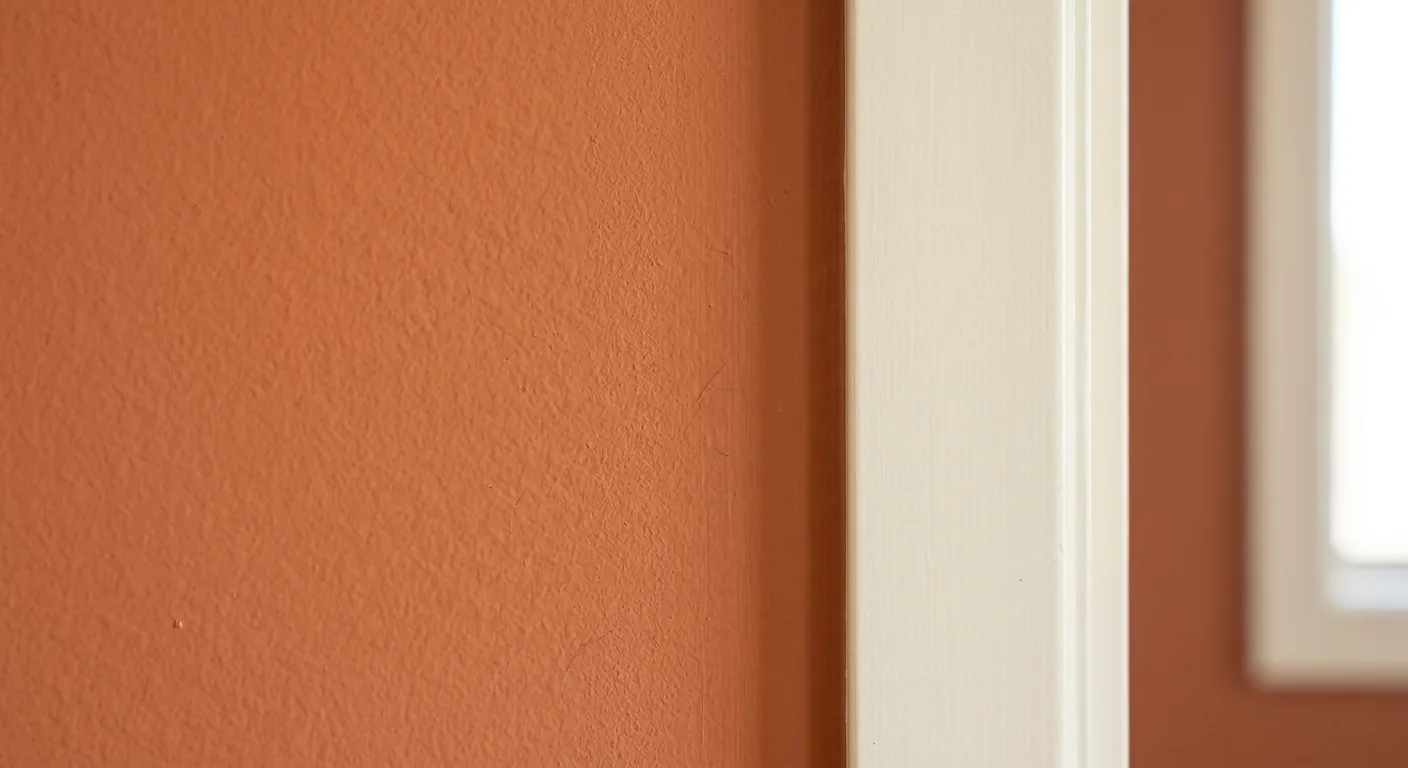
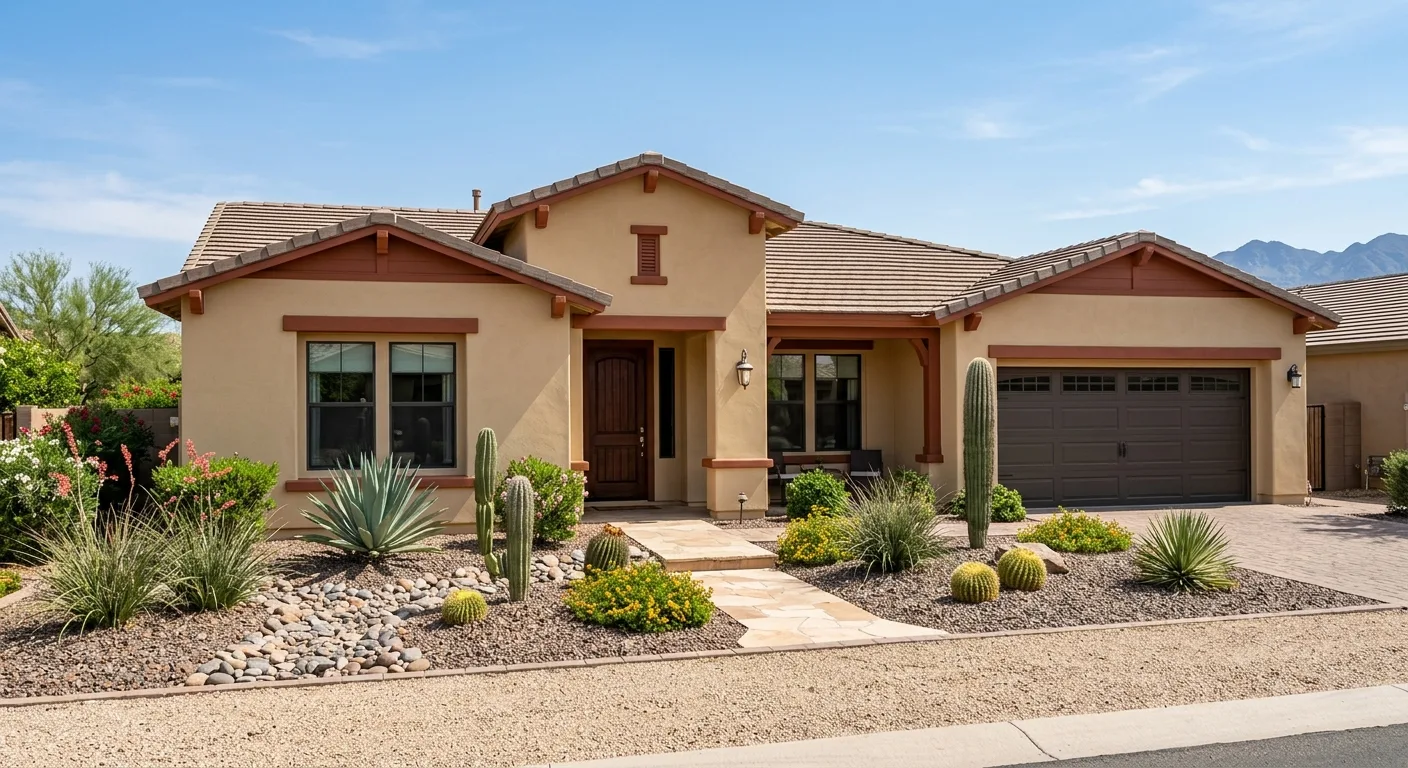
A compact look at recent exterior, interior, and whole-home finishes completed across Greater Phoenix.

START YOUR PROJECT

EXTERIOR INTERIOR CABINET REFINISHING WHOLE-HOME PAINTING

Varnish vs stain vs paint

Clear coat wood finish: when varnish beats stain or paint

Direct answer: varnish is a clear protective coat that seals the wood and shows the grain, stain changes the wood's color while still letting grain show, and paint covers the wood entirely. Which one is right depends on the wood and what you want it to look like, and picking wrong is how people end up redoing it. Here's the plain-language version.

  • Clear varnish is the move when the wood is good and you want to keep it natural: a stain-grade door, nice trim, a built-in, a piece of furniture. It protects and enhances the grain without hiding it.
  • Stain and seal is right when you want to change or deepen the wood tone, or even out color, while still seeing the grain. Our exterior wood work like decks and pergolas lives here more than clear varnish does.
  • Paint is the answer when the wood is damaged, mismatched, or you simply want a solid color. On a door or trim that's past saving as natural wood, a quality repaint is the honest better value.

For exterior wood that's more about color and weather protection than a glass-clear finish, like decks, pergolas, and railings, a stain-and-seal approach usually outlasts a clear varnish in full sun. And when a door or run of trim is better off painted, we can roll it into interior trim and door work alongside a full repaint so it's one job, one crew.

The desert problem

How long does varnish last in Arizona sun?

Straight answer: it depends almost entirely on sun exposure, and the single biggest factor is how much direct afternoon light the surface takes. A clear coat on interior trim, kept out of direct sun, holds for years. The same finish on a west-facing front door that bakes every afternoon works far harder and needs attention sooner. Anyone who gives you a flat number without knowing which surface we're talking about is guessing.

UV is what kills a clear finish here. In the low desert, direct sun breaks down a clear coat faster than almost anywhere in the country: the finish clouds, checks, and starts to yellow, and once it fails, the bare wood underneath grays and dries out. The dry Valley air adds the second half of the problem, swinging exterior wood between monsoon humidity and months of bone-dry heat, so boards and panels swell and shrink until a brittle finish cracks along the grain.

The finish is a sacrificial layer. It's supposed to take the UV so the wood doesn't. Catch it when it's dulling and you recoat; let it fail completely and you're stripping gray wood back to sound grain first.

That's why the exposure read is part of the quote, not an afterthought. On a heavily sun-hit exterior piece we'll talk through what the right product and the realistic recoat rhythm look like so you're not surprised, and on a shaded interior piece we'll tell you it's a finish you can largely forget about. Either way you get the honest version before we start. Call (480) 420-7391 and we'll come look at the actual surface before quoting.

Our process

How we prep, sand, and clear-coat a Phoenix wood surface

Here's how a Novak varnishing job actually runs, so you know what you're paying for and why a good clear coat is mostly prep, not the final pass.

1. Look at the piece and quote in person. Cody checks the wood, the old finish, and how much sun the surface takes, then sorts whether it wants a clear varnish, a stain-and-seal, or a repaint. That in-person read is what the number is built on, not a guess over the phone. 2. Strip and clean the old finish. A failing clear coat has to come off before a new one goes on, or the new finish just fails with the old one underneath. We strip or sand off the tired finish and clean the surface so the clear coat bonds to the wood, not to the past. 3. Sand back to sound wood. We sand through the grits to level the surface, knock down checks and rough grain, and open the wood so it takes the finish evenly. Skipping grits is why a lot of DIY clear coats dry blotchy or cloudy. 4. Mask, control dust, and seal the area. A clear finish shows every speck. We protect the surrounding surfaces, keep dust off the wet coat, and set the piece up so nothing lands in it while it cures. 5. Build the clear coat in thin, even passes. We lay the varnish in multiple thin coats rather than one heavy one, sanding lightly between passes, so it builds clear and smooth instead of running, clouding, or trapping bubbles. 6. Match the sheen and check it in daylight. Wood finishes run from matte to high gloss, and the wrong sheen looks as off as the wrong color. We match the sheen to the piece and the rest of the room, then look at it in real light, at an angle, before we call it done.

On cost: a varnishing job is quoted on the actual piece, because what moves the number is the surface, its condition, and its exposure. How much old finish has to come off, how much sanding and repair the wood needs first, how many coats the exposure calls for, and whether it's an interior piece or a sun-hit exterior one all change the scope. That's exactly why the estimate is free and done in person. Get a free quote and we'll scope it off the actual wood.

When to clear-coat, when not to

When varnishing is the right call, and when it isn't

People ask us to just varnish it, and often that's exactly right. But not always, and we'd rather tell you the difference than lay a clear coat on wood that won't reward it. Here's the plain-language version of when each one is the move.
01

Varnish makes sense when

The wood is sound, you want to keep it natural, and the grain is worth showing: a stain-grade door, good trim, a built-in, a solid-wood piece of furniture. If the wood's in decent shape and you like it as wood, a clear coat protects it and brings the grain back without hiding anything.
02

Stain and seal makes more sense when

You want to change or even out the wood tone, or the piece lives outdoors in full sun. Exterior wood like decks, pergolas, and railings usually does better with a pigmented stain and seal than a clear varnish, because the pigment itself blocks some of the UV that breaks a clear coat down fast out here.
03

A repaint is the honest answer when

The wood is damaged, patched, mismatched across species, or you just want a solid color. Straight talk: clear-coating flawed wood highlights every flaw. At that point a quality repaint of the door, trim, or piece is the better value, and we'll say so instead of varnishing something that'll disappoint you the day the light hits it.
04

Sheen matters as much as the finish

A matte, satin, and high-gloss clear coat read completely differently on the same wood, and the wrong sheen can make a beautiful piece look cheap or a simple one look fussy. We match the sheen to the piece and to the room it lives in, because on a clear finish the sheen is half the look.

Wood varnishing across the Greater Phoenix area

We clear-coat and refinish wood throughout Phoenix and across the Valley: Scottsdale, Mesa, Tempe, Chandler, Gilbert, Glendale, Peoria, Surprise, Goodyear, Avondale, and Paradise Valley. From a baked west-facing front door on a Central Phoenix ranch to stain-grade trim and built-ins in a Scottsdale custom home to a furniture piece in a Tempe bungalow, the honest read is the same: which wood is worth keeping natural under a clear coat, and which is better stained or painted. When the piece is exterior and more about weather than a glass-clear finish, a deck-and-exterior stain-and-seal is usually the longer-lasting call, and we'll say so. Doing trim or doors as part of a bigger job? See our interior painting work handled as one job. Not sure you're in range? Get in touch and we'll tell you straight.

Got wood you want kept natural?

Call Cody and the crew directly at (480) 420-7391 for a free, in-person varnishing estimate. We'll look at the actual door, trim, or piece, read how much sun it takes, and tell you honestly whether a clear coat, a stain, or a repaint is the right call before we quote. No voicemail maze, no scheduling software.

Call (480) 420-7391

Or send us your info

Ready when you are

Get an honest varnishing quote, in person, for free.

Tell us what the wood is and where it lives, and we'll follow up within one business day. We look at the actual surface before we give you a number, and we'll flag straight up whether it wants a clear coat, a stain-and-seal, or a repaint. No pressure, no upsells.

Free estimatesBonded & insuredGrain kept natural

WHY NOVAK

Why the finish holds up.
It’s built in layers.

A paint job is only as good as the system underneath it.

Novak Painting Group treats scope, preparation, coating selection, and final inspection as one connected process, not separate tasks to rush through.

CLEAR SCOPE SURFACE-SPECIFIC PREP PHOENIX-READY COATINGS
THE NOVAK FINISH SYSTEM FOUR LAYERS FROM SUBSTRATE TO WALKTHROUGH

Scope before color

Surfaces, repairs, products, colors, access, and timing are defined before work begins.

The finish starts underneath

Protection, cleaning, repair, sanding, and priming create the surface the topcoat needs.

Chosen for Phoenix

Coatings are matched to the material, exposure, sheen, and demands of Arizona heat and sun.

Checked in the light it lives in

Coverage, edges, touchups, and the final walkthrough are handled with the same careful eye.

Frequently Asked

Frequently Asked Questions

What's the difference between varnish, stain, and paint? +
Varnish is a clear protective coat that seals the wood and lets the natural grain show through. Stain changes or deepens the wood's color while still letting the grain show, and it's usually sealed on top. Paint covers the wood completely in a solid color and hides the grain. Which one is right depends on the wood and what you want: clear varnish when the wood is good and you want it natural, like a stain-grade door, trim, a built-in, or furniture; stain-and-seal when you want to change the tone or when the piece lives outdoors in full sun; and paint when the wood is damaged, mismatched, or you want a solid color. We look at the actual piece and tell you honestly which call gives you the best result before we quote.
How long does varnish last on wood in Arizona sun? +
It depends almost entirely on sun exposure, so there's no single number. A clear coat on interior trim kept out of direct light holds for years. The same finish on a west-facing front door that bakes every afternoon works much harder and needs attention sooner, because UV in the low desert breaks down a clear coat faster than almost anywhere in the country: it clouds, checks, and yellows, and once it fails the bare wood underneath grays out. The dry Valley air adds to it, swinging exterior wood between monsoon humidity and bone-dry heat so a brittle finish cracks along the grain. The finish is a sacrificial layer, meant to take the UV so the wood doesn't. Caught early it's a recoat; left to fail completely it's a strip-back-to-sound-wood job first. We read the actual exposure at the estimate and tell you the realistic recoat rhythm up front.
Can you refinish and clear-coat my front door? +
Yes, front door refinishing is one of the most common varnishing jobs we take in Phoenix, and it's the surface the desert punishes hardest. A west- or south-facing solid wood door takes direct afternoon sun until the old finish checks, clouds, and the grain starts to gray. We strip the failed finish, sand the door back to sound wood, and build a durable clear coat in thin, even passes so it reads like wood again and stands up to the exposure it actually lives in. If the door has weathered or been patched past the point where a clear finish would look right, we'll tell you honestly whether a stain or a quality repaint is the better call instead of varnishing over flaws.
Can you varnish interior trim, built-ins, and furniture? +
Yes. Stain-grade trim, door casings, crown, mantels, built-in shelving and cabinetry, and solid-wood furniture are all surfaces we clear-coat so the grain shows instead of burying it under paint. We sand back the tired finish, address the surface, and match the sheen across a run so a repaired or refinished section doesn't stand out next to the rest. On furniture we'll tell you up front when a piece is sound enough to be worth refinishing and when it isn't. The goal is the same every time: protect the wood and bring the grain back, not hide it.
Should I varnish or stain my exterior wood? +
For exterior wood that lives in full Phoenix sun, like decks, pergolas, railings, and gates, a pigmented stain and seal usually outlasts a clear varnish, because the pigment itself blocks some of the UV that breaks a clear coat down fast out here. A clear varnish on a heavily sun-hit exterior surface tends to cloud and fail sooner than the same finish indoors. For a protected entry door or covered woodwork, a clear coat can be exactly right. We read how much direct sun the surface takes and point you to the finish that actually lasts rather than the one that looks best for one season. For decks and similar exterior wood, see our deck staining and sealing work, which is built around that exact UV-and-moisture problem.
Are you insured, and are estimates free? +
Novak Painting Group is bonded and insured, and every estimate is free, including on a single door or a small piece of furniture. Owner Cody Novak comes out and looks at the actual wood personally, reads how much sun it takes, and tells you whether a clear varnish, a stain-and-seal, or a repaint is the right call before any work starts. There's no call center and no commissioned salesperson between you and the crew doing the job. Painting work in Arizona doesn't require a contractor license, so what we stand on is being bonded, insured, and owner-run. Call or text (480) 420-7391 for a straight answer on what your wood takes.

Related

Start your project

A better finish starts with a clear conversation.

Share the space, scope, and timing. Our team will respond within one business day with a clear next step.

01 Free estimate
02 Clear scope
03 No pressure
Prefer to talk? Call Novak Painting Group (480) 420-7391
Project brief

Tell us what you're planning.

01 / 05

Your details stay with Novak Painting Group and are used only to discuss your project.

THE STANDARD BEHIND EVERY PROJECT

Prepared with purpose. Finished with precision.

Painting done the Novak way.

Clear scopes, careful preparation, accountable crews, and finishes made to last.

START YOUR PROJECT