Bonded & Insured Serving Greater Phoenix (480) 420-7391
Novak Painting Group
Free Estimate
Paint Stripping · Phoenix, AZ

Paint stripping in Phoenix, down to sound surface.

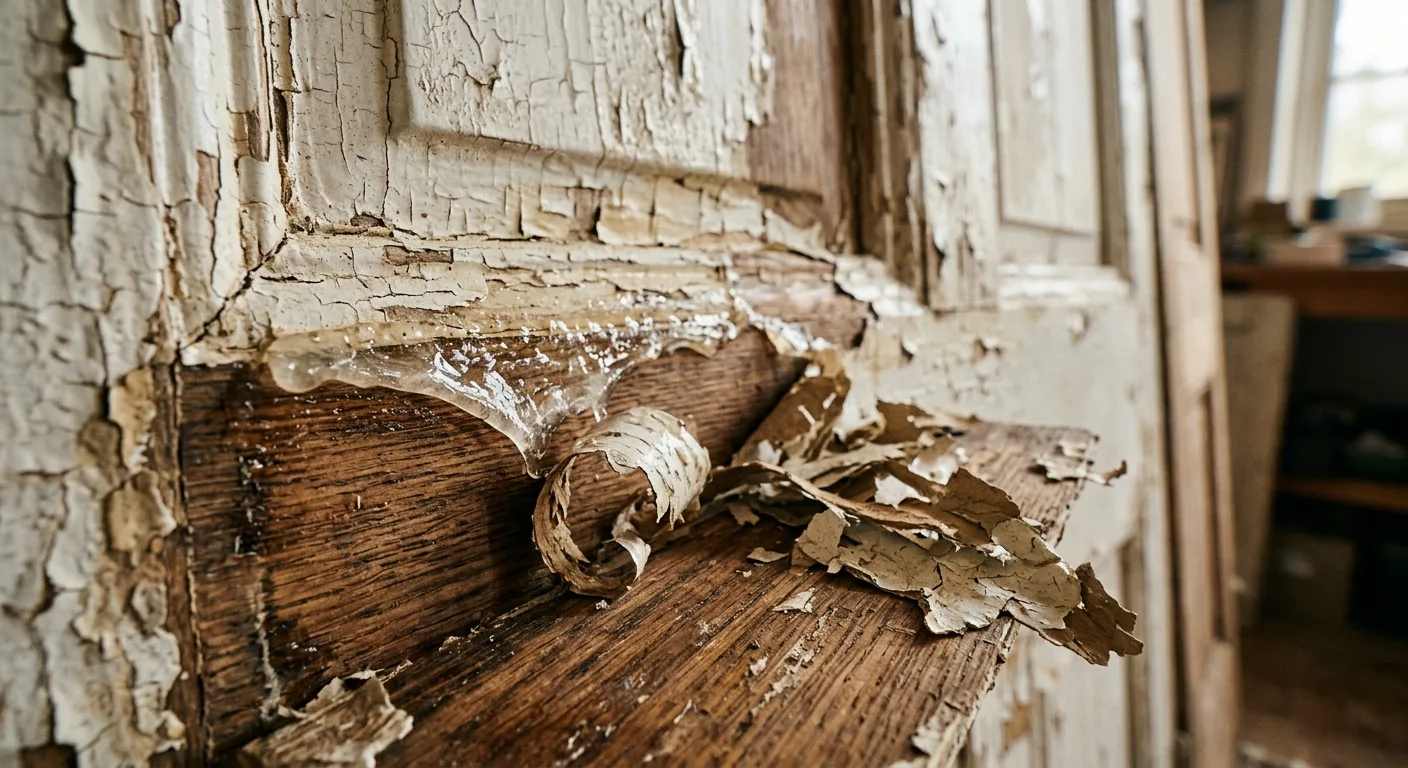
Layered, peeling, or alligatored paint on a door, trim, cabinets, or a piece of furniture that has to come off before the surface reads right again. We strip it chemically or mechanically, take it back to sound wood, and tell you straight when stripping to bare is overkill.

  • Chemical and mechanical stripping for doors, trim, cabinets, and furniture, owner on the job
  • Strip and refinish handled as one job, not a mess left for you to sort out
  • Bonded and insured, locally owned across Greater Phoenix
Paint stripping in Phoenix,
Start your project

BONDED & INSURED · SERVING GREATER PHOENIX

Interior Painting Exterior Painting Cabinet Refinishing Commercial Painting Stucco Repair Color Consultation Bonded & Insured Serving Greater Phoenix
What we strip

Paint stripping in Phoenix for doors, trim, cabinets, and furniture

Stripping isn't one job, it's a handful of specific surfaces where old paint has to come off before anything new goes on. Here's where the call usually comes from across the Valley, and what changes on each one.
01

Doors and entry woodwork

A solid wood front door or an interior door carrying layers of old paint is the piece we're asked about most. On a west- or south-facing entry, those stacked coats bake and alligator until the surface cracks into a dried-mud pattern. We strip the failed buildup back to sound wood so the door can take a smooth repaint or a clear coat, instead of rolling fresh paint over a cracked base that telegraphs right back through.
02

Trim, casings, and baseboards

Older trim gets repainted so many times the profile fills in, the drips harden, and the brush lines stack up. Stripping pulls that buildup off so the detail reads crisp again, which matters most on stain-grade trim you want to clear-coat rather than bury under another coat of paint.
03

Cabinets with a failing finish

Cabinet faces that were painted before and are now peeling, chipping, or gummy don't always need a full strip, but sometimes they do. When a previous finish was sprayed over grease with no bonding primer and it's letting go in sheets, stripping back to a sound surface is the honest fix before a proper cabinet refinish.
04

Furniture and smaller pieces

A dresser, a table, a solid-wood chair, or a built-in worth refinishing instead of replacing. We strip the tired or botched finish, take the surface back, and hand it off to a clean repaint or clear coat. We'll tell you up front when a piece is sound enough to be worth the labor and when it isn't.

SELECTED WORK

Four spaces.
One consistent standard.

A compact look at recent exterior, interior, and whole-home finishes completed across Greater Phoenix.

START YOUR PROJECT

EXTERIOR INTERIOR CABINET REFINISHING WHOLE-HOME PAINTING

The honest limit

Do you actually need to strip paint, or just prep and recoat?

Direct answer: most surfaces people think need stripping don't need to go all the way to bare. Stripping to bare wood is the slowest, most expensive prep there is, and it's only truly required in specific cases. Over a sound, well-adhered existing coat, a scuff-sand and a fresh finish gets you the same look for far less. Knowing which situation you're in is the part you're hiring us to read.

When a full strip actually earns its cost

There are really only a few times a full strip earns its cost:

  • You want to clear-coat or stain the wood. Any paint at all ruins a natural finish, so stain-grade doors, trim, and furniture have to come back to bare before a clear coat goes on.
  • The existing paint has failed. Alligatored, peeling, or bubbling paint has no sound base to recoat over. Paint over failure and the new coat fails with it, usually within a season.
  • The buildup is too thick. When layers have stacked up enough to fill in door panels and trim detail or stop a door from closing clean, stripping is the only way to get the profile back.

When a surface does need stripping, we do it right and fold the refinish into the same job. When it doesn't, we save you the cost and move straight to prep and paint. That read is the whole point of looking before quoting.

Test first

Is lead paint testing part of a paint stripping job?

Straight talk before anybody sands or heats a surface: if your home or the piece was built or finished before 1978, the old paint can contain lead, and disturbing it the wrong way spreads lead dust. This is the one part of stripping we won't shortcut, and it's the same honesty we bring to older ceilings and substrates.

For newer homes and later-finished pieces, lead generally isn't a concern and we move straight into the strip-and-refinish process below. If you're unsure of the age, testing is the cautious call and it's inexpensive against the risk. We'll give you a plain read on which category your surface falls into based on its age, right there at the free estimate. Not sure where your piece lands? Call (480) 420-7391 and we'll talk it through before any work starts.

Our process

How we strip and refinish a Phoenix surface

Here's how a Novak stripping job actually runs once a surface is cleared to strip, so you know what you're paying for and why it isn't just slapping on remover and walking away.

  1. Walk the piece and quote in person. Cody looks at the surface, confirms whether it really needs a full strip or just prep and recoat, checks the age for any lead concern, and scopes it. That in-person look is what the number is built on, not a guess over the phone.
  2. Protect the work area. Stripping is a messy, chemical job. Before anything comes off, we mask and cover surrounding surfaces, contain the debris, and set up so the remover, scrapings, and dust stay off everything that isn't getting stripped.
  3. Choose the method for the surface. Chemical stripper for detailed profiles, panels, and delicate wood where sanding would gouge it. Mechanical sanding or scraping for flat, sturdy surfaces where it's faster and cleaner. Often it's a mix of both across one piece, and that call gets made at the surface.
  4. Strip, scrape, and neutralize. We work in sections, let the stripper do the work so the finish lifts instead of being forced, scrape it off cleanly, then wash or neutralize the surface so no residue is left to fight the new finish. Leftover stripper or dust is what makes a recoat fail.
  5. Sand to sound, bare surface. Once the old finish is off, we sand the surface smooth and sound so it's ready to take paint or a clear coat evenly. This is the step that decides whether the refinish looks like new or like a stripped-and-rushed patch.
  6. Refinish and walk it with you. We prime and repaint, or lay the clear coat, then walk the finished surface with you in daylight before we call it done.

Stripping the old paint off is the part everybody pictures. Getting the surface clean, sound, and neutralized so the new finish actually bonds is the part that decides whether it lasts.

On cost: nobody can quote stripping honestly without seeing it. What moves the number is how many coats are on there and how they're failing, whether the profile is flat or detailed, chemical versus mechanical removal, how much the surface needs sanding after, and whether you're repainting or clear-coating when it's bare. That's exactly why the estimate is free and done in person. Call (480) 420-7391 and we'll come look before quoting.

Chemical vs mechanical

Chemical vs mechanical paint stripping: which one your surface needs

People ask which method is better, and the honest answer is it depends on the surface, and often the right job uses both. Matching the method to what you're stripping is most of the skill. Here's the plain-language version.
01

Chemical stripping

A stripper paste or gel softens and lifts the old finish so it scrapes off without you grinding into the wood. It's the right call on detailed surfaces, panel doors, carved trim, turned furniture legs, where a sander would flatten the detail or gouge the grain. It's slower and it has to be neutralized afterward, but on anything with a profile it's what saves the surface.
02

Mechanical stripping

Sanding or scraping pulls the finish off by abrasion. It's faster and cleaner on flat, sturdy surfaces, a slab door, a tabletop, a straight run of baseboard, where there's no fine detail to protect. On the right surface it's the efficient choice. On the wrong one it does more harm than the paint did.
03

Why we often use both

A single door usually has flat areas and detailed panels, so we'll sand the flats and chemically strip the recesses on the same piece. Reading which part of a surface wants which method is exactly the judgment that keeps a strip from turning into a repair job.
04

When stripping is the wrong call

Straight talk: if the existing paint is sound and well-adhered, neither method is worth paying for. A scuff-sand and a quality recoat gets you the same result for far less, and we'll tell you so instead of selling you a strip the surface didn't need.
Before a repaint or refinish

Stripping cabinets before repainting, and where it fits a bigger job

Stripping is almost always the front half of something else, a repaint, a refinish, or a clear coat, so it rarely makes sense to treat it as its own disconnected job. On cabinets especially, the question we get is whether old paint has to be stripped off before repainting. Usually it doesn't: a sound painted cabinet just needs a degrease, a scuff-sand, and a bonding primer before the new finish. But when a previous coat is peeling in sheets, or it was sprayed over grease with no primer, stripping back to a sound surface is the honest fix before a proper cabinet refinish.

Because the removal and the refinish run together, you're not left staring at a stripped, raw surface wondering who finishes it. We scope both halves at the estimate, strip only what genuinely needs it, and carry it straight through to a finished piece. If old paint and old paper both have to come off a room, we also handle wallpaper stripping as the same kind of removal-before-repaint step.

Paint stripping across the Greater Phoenix area

We strip and refinish surfaces throughout Phoenix and across the Valley: Scottsdale, Mesa, Tempe, Chandler, Gilbert, Glendale, Peoria, Surprise, Goodyear, Avondale, and Paradise Valley. The over-painted doors and trim we strip most often live in the established 1960s-through-1990s stock across Central Phoenix, Arcadia, and the East Valley, exactly the homes old enough to carry a lead concern on the oldest end. Stripping is usually the removal step ahead of a full interior repaint or a clear-coat wood finish, so most people fold it into a bigger job. Looking for a crew for the whole house? See our Phoenix painters for jobs big and small. Not sure you're in range? Get in touch and we'll tell you straight.

Got paint that needs to come off?

Call Cody and the crew directly at (480) 420-7391 for a free, in-person stripping estimate. We'll tell you straight whether the surface genuinely needs a full strip or just prep and recoat, then scope the removal and the refinish as one job. No voicemail maze, no scheduling software.

Call (480) 420-7391

Or send us your info

Ready when you are

Get an honest stripping quote, in person, for free.

Tell us what the surface is and roughly how old the home or piece is, and we'll follow up within one business day. We look at the actual surface before we give you a number, and we'll flag straight up whether it needs a full strip, just prep and recoat, or a lead-safe conversation first. No pressure, no upsells.

Free estimatesBonded & insuredStrip only what needs it

WHY NOVAK

Why the finish holds up.
It’s built in layers.

A paint job is only as good as the system underneath it.

Novak Painting Group treats scope, preparation, coating selection, and final inspection as one connected process, not separate tasks to rush through.

CLEAR SCOPE SURFACE-SPECIFIC PREP PHOENIX-READY COATINGS
THE NOVAK FINISH SYSTEM FOUR LAYERS FROM SUBSTRATE TO WALKTHROUGH

Scope before color

Surfaces, repairs, products, colors, access, and timing are defined before work begins.

The finish starts underneath

Protection, cleaning, repair, sanding, and priming create the surface the topcoat needs.

Chosen for Phoenix

Coatings are matched to the material, exposure, sheen, and demands of Arizona heat and sun.

Checked in the light it lives in

Coverage, edges, touchups, and the final walkthrough are handled with the same careful eye.

Frequently Asked

Frequently Asked Questions

Do I need to strip paint before repainting, or can you paint over it? +
Most of the time you can paint over it, and stripping to bare is money you don't need to spend. Over a sound, well-adhered existing coat, a scuff-sand, a bonding primer where it's needed, and a quality recoat gets you the same result for a fraction of the labor. A full strip is only truly worth it in a few cases: when you want to stain or clear-coat the wood, when the existing paint has failed and alligatored or is peeling, or when the buildup is so thick it's filled in door panels and trim detail. We read which situation you're in at the free estimate and tell you straight, rather than billing you to strip a surface that didn't call for it.
What's the difference between chemical and mechanical paint stripping? +
Chemical stripping uses a paste or gel that softens and lifts the old finish so it scrapes off, and it's the right call on detailed surfaces like panel doors, carved trim, and turned furniture where a sander would gouge the wood or flatten the detail. Mechanical stripping is sanding or scraping, which pulls the finish off by abrasion and is faster and cleaner on flat, sturdy surfaces like a slab door or a tabletop. Often a single piece gets both: we sand the flat areas and chemically strip the panels and recesses. Chemical has to be neutralized afterward so no residue is left to fight the new finish. Which we lead with is a judgment call we make at the surface, not a one-size rule.
Can you strip paint off cabinets before refinishing them? +
Yes, but usually you don't need to, and we'll tell you honestly when stripping is overkill. A sound painted cabinet just needs a degrease to pull cooking grease, a scuff-sand so the primer can grip, and a bonding primer before the new finish. Stripping cabinets back to bare only earns its cost when a previous coat is peeling in sheets or was sprayed over grease with no bonding primer and is letting go. In that case stripping back to a sound surface is the honest fix before a proper refinish. We open the doors in person, diagnose why the old finish failed, and scope the real amount of removal the cabinets need instead of defaulting to a full strip.
Is lead paint testing included with paint stripping? +
If your home or the piece was built or finished before 1978, the old paint can contain lead, and disturbing it the wrong way spreads lead dust, so we flag that risk before anyone strips it. Novak Painting Group is a bonded and insured painting contractor, not a certified lead abatement company. On a pre-1978 surface we'll talk through testing at the estimate, and when a job calls for certified lead-safe removal beyond our scope, we tell you and point you to the right contractor rather than grinding into it. For newer homes and later-finished pieces, lead generally isn't a concern. If you're unsure of the age, testing is the cautious call and it's inexpensive against the risk. Call (480) 420-7391 and we'll give you a plain read based on the age of the surface.
How much does paint stripping cost in Phoenix? +
There's no honest flat figure, because no two surfaces strip the same way. What moves the number is how many coats are on there and how they're failing, whether the profile is flat or detailed, whether it's chemical or mechanical removal or both, how much the surface needs sanding afterward, and whether you're repainting or clear-coating once it's bare. Stripping to bare is the most expensive prep there is, which is exactly why we tell you honestly when a surface doesn't need a full strip. The estimate is free and done in person so the number reflects your actual surface. Call (480) 420-7391 to set one up.
Are you insured, and are estimates free? +
Novak Painting Group is bonded and insured, and every estimate is free, including on a single door or a small piece of furniture. Owner Cody Novak comes out and looks at the actual surface personally, tells you whether it needs a full strip or just prep and recoat, and flags any lead concern on older pieces before any work starts. There's no call center and no commissioned salesperson between you and the crew doing the job. Painting work in Arizona doesn't require a contractor license, so what we stand on is being bonded, insured, and owner-run. Call or text (480) 420-7391 for a straight answer on what your surface takes.

Related

Start your project

A better finish starts with a clear conversation.

Share the space, scope, and timing. Our team will respond within one business day with a clear next step.

01 Free estimate
02 Clear scope
03 No pressure
Prefer to talk? Call Novak Painting Group (480) 420-7391
Project brief

Tell us what you're planning.

01 / 05

Your details stay with Novak Painting Group and are used only to discuss your project.

THE STANDARD BEHIND EVERY PROJECT

Prepared with purpose. Finished with precision.

Painting done the Novak way.

Clear scopes, careful preparation, accountable crews, and finishes made to last.

START YOUR PROJECT